Things to Do in Addis Ababa in April
April weather, activities, events & insider tips
Shoulder Season · Good Value
April Weather in Addis Ababa
Long-run averages for April
77°F (25°C)
High Temp
53°F (12°C)
Low Temp
3.6 inches (91 mm)
Rainfall
62%
Humidity
14
Sunny-Day UV
⚠ Very high UV on sunny days: use sunscreen and seek shade at midday
Is April Right for You?
Weigh the advantages and considerations before booking
Advantages
- + The green season begins. Those 3.6 inches (91 mm) of rain transform the Entoto Hills from dusty brown to electric green, with wildflowers blooming along the trails behind Saint Mary's Church.
- + Daytime temperatures hover around that sweet spot where you can walk for hours without sweating through your shirt. Evenings still require a light layer when the mercury drops to 53°F (12°C).
- + Crowds remain thin compared to the December-January peak. You'll have space to hear the chanting at the National Museum without competing with three tour groups.
- + Coffee ceremonies move outdoors. The scent of roasting beans wafts from courtyard cafes where locals linger over tiny cups of buna, the afternoon light filtering through eucalyptus trees.
Considerations
- − The 'small rains' arrive unpredictably. One moment you're admiring the view from Entoto, the next you're caught in a sudden downpour that turns dirt paths into mudslides within minutes.
- − Some northern circuit tours begin winding down preparation for the heavier summer rains. If you're hoping to combine Addis with Lalibela or the Simien Mountains, availability starts tightening.
- − That 62% humidity might not sound like much. Combined with 25°C (77°F) afternoons and Addis Ababa's 2,355 m (7,726 ft) altitude, it creates a deceptive stickiness that dehydrates you faster than you expect.
Best Activities in April
Top things to do during your visit
Addis Ababa in April carries the scent of damp earth and eucalyptus after a passing shower, the city's highland air feeling fresh and cool. Daytime temperatures average 25 degrees Celsius. The landscape turns a deeper green. This month marks the gentle transition into the main rainy season. Locals move with a steady pace. They pause under awnings when the skies open. They know these afternoon rains are typically brief before the sun returns. The rhythm is one of preparation, not retreat. Cafe terraces remain lively. The markets hum with activity. This is a time of clear, luminous light over the Entoto Hills. The evening brings a crisp feel. Pack a light jacket. For visitors, April in Addis Ababa has a specific atmosphere. The increased rainfall, averaging 3.6 inches for the month, brings a vivid green wash to the city's numerous parks and the mountain slopes that frame it. You'll see vendors quickly unfolding plastic sheaths over their piles of gleaming red tomatoes and green peppers in the Merkato. You'll hear the sizzle of tibs from open kitchen doors as the air cools. Plan indoor pursuits for the late afternoon. Savor the brilliant morning sunshine, which casts long shadows across Churchill Avenue and illuminates the stained glass of the cathedral. The search for a memorable meal or a comfortable place to stay is met with a compelling range of options, from traditional inns to modern hotels. Each offers its own window into the life of the city.

Hidden Treasures of Addis Ababa - Food, Culture and History Tour
guided_experienceThis guided experience weaves through the alleyways of the Merkato and past aromatic coffee roasters. It stops to taste freshly fried sambusas and sample the complex, fermented tang of tej honey wine. It connects the dots between a crumbling Italian-era pastry shop and a third-generation spice merchant. The tour tells the story of Addis Ababa through its flavors.
It transforms the act of eating into a direct conversation with the city's layered history, from imperial kitchens to everyday street stalls.
Insider tip: Go with an empty stomach and ask your guide to point out the specific berbere spice blends used in each neighborhood. Their heat and composition vary noticeably from vendor to vendor.

Addis Ababa City Highlights: Private Guided Tour Free pick up
private_tourA private vehicle navigates from the soaring African Union headquarters to the quiet reverence of the Trinity Cathedral. You can feel the smooth coolness of the marble tombs underfoot. You'll hear the echo of hymns from a side chapel. This tour has a tailored overview. It allows for time to examine the skeletal remains of Lucy at the National Museum. You can simply watch the flow of people in Meskel Square.
It provides a flexible, efficient framework for understanding the monumental scale and the intimate details of Ethiopia's capital.
Insider tip: Request a stop at the lesser-known Ethnological Museum within the old palace grounds at Addis Ababa University. The quiet academic gardens offer a reflective pause.

Addis Ababa City Tours Full Day With Hotel Pickup And Drop Off.
day_tripFrom the panoramic view at Mount Entoto, where the scent of eucalyptus is sharp in the thin air, to the clamorous energy of the Shola Market, this full-day immersion covers the essential contrasts of the city. You'll see the glittering mosaics of the St. George Cathedral. You'll feel the textured history in the former palace rooms of the Ethnological Museum.
It is designed for those who wish to compress the vast narrative of Addis Ababa, from its ancient roots to its dynamic present, into a single, complete day.
Insider tip: Wear sturdy walking shoes with good grip for the stone pathways at the Entoto Maryam Church complex. They can be slick if a morning rain has passed.

Discover Addis Ababa:Museums,Churche,Markets,Landmarks & Coffee
culturalThis tour is a look at into the institutions that define Ethiopian identity. It pairs the hallowed silence of rock-hewn churches with the lively banter of a coffee ceremony. You'll taste the smoky, potent brew. It moves from the visual spectacle of centuries-old illuminated manuscripts to the tactile experience of handling woven textiles in a market stall.
It thoughtfully connects the artistic and spiritual treasures housed in museums with the living cultural practices found in the city's neighborhoods.
Insider tip: At the National Museum, focus your time on the archaeological floors. The casts of early hominids are impressive. The collection of royal regalia and medieval crosses on the upper levels holds astonishing detail.

Danakil Depression, Lalibela, Omo Valley and Simien Mountains
otherThis extensive multi-day expedition journeys far beyond Addis Ababa to the otherworldly landscapes of the Danakil Depression. You'll feel the dry, baking heat. You'll see sulfur springs in brilliant yellows and oranges. It continues to the rock-hewn churches of Lalibela, the cultural traditions of the Omo Valley, and the soaring peaks of the Simien Mountains.
It is a definitive survey of Ethiopia's most extraordinary and varied natural and cultural wonders. The adventure covers immense ground.
Insider tip: Packing for this tour requires preparation for extreme climate variance. The chill of the Simien Mountains at night is a stark contrast to the Danakil. Layered clothing is essential.

Omo Valley Tours
guided_experienceFocusing on the Omo Valley, this tour brings you into contact with communities such as the Hamar and Mursi. You'll hear the crackle of a ceremonial fire. You'll see the elaborate ochre and clay hairstyles. It is an immersive experience into regions where traditional life continues with a powerful presence. It has a perspective far removed from the urban pace of Addis Ababa.
It provides a focused, in-depth encounter with the resilient and visually striking cultures of southern Ethiopia.
Insider tip: Engage with your guide to understand the appropriate and respectful etiquette for photography within each specific village. Customs and expectations vary significantly from one group to another.
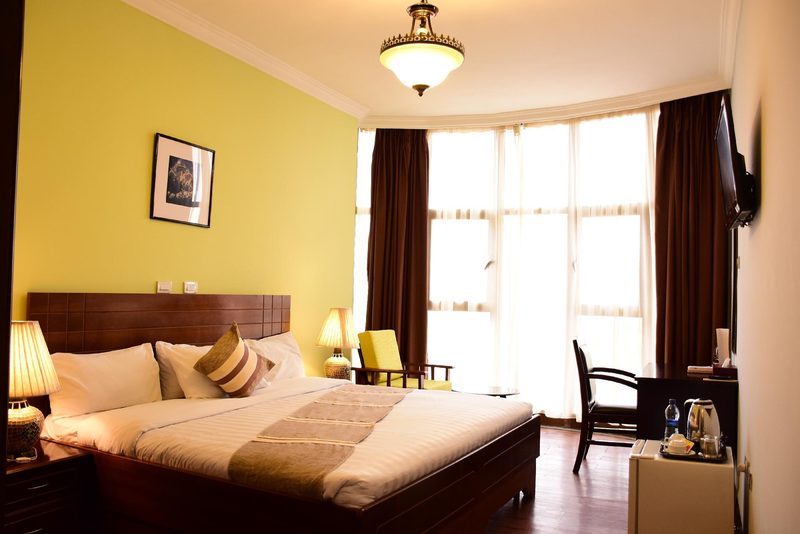
Where to Stay in Addis Ababa in April
Hand-picked hotels across price tiers for April travellers.


Public Holidays in April
Dates that affect opening hours, transport and crowds
ስቅለት
Known in English as Good Friday. Observed nationwide as a public holiday.
ስቅለት
Known in English as Good Friday. Observed nationwide as a public holiday.
ብርሃነ-ትንሣኤ/ፋሲካ
Known in English as Easter Sunday. Observed nationwide as a public holiday.
Packing Checklist
Bookmark this page — your progress is saved between visits
Need the full list with shopping links?
Climate-specific gear, brand recommendations, and what to leave at home.
View Addis Ababa Packing List →Essential Tips
Insider knowledge and common pitfalls to avoid
Insider Knowledge
Locals drink spiced tea (shai) when the April chill sets in. Find the hole-in-wall places near the post office. Watch old men play board games there. These spots reveal the city's rhythm.
The best time to visit the National Museum is Wednesday afternoon. School groups have usually cleared out by then. The light through the high windows illuminates Lucy's bones in a particular way. Plan around this window.
If Easter falls in April, bakeries sell special bread (dabo) only during Holy Week. Look for the braided loaves with hard-boiled eggs baked into the center. This bread disappears fast. Arrive early.
Morning fog often blankets lower areas like Bole. If your flight arrives early, consider waiting a few hours for views. Skip heading straight to viewpoints. Patience pays off here.
Avoid These Mistakes
Assuming 25°C (77°F) means warm nights is a mistake. People shiver through evening meals on uncovered terraces. Pack a light jacket. The temperature drops fast.
Not carrying cash in small denominations causes problems. Many smaller cafes and taxis won't take cards. This gets worse during Easter if it falls in April. Withdraw small bills early.
Planning ambitious day trips without checking road conditions invites disaster. April rains wash out unpaved routes unexpectedly. Verify conditions first. Have backup plans ready.
Underestimating walking times between neighborhoods frustrates visitors. Addis Ababa's hills add minutes you didn't account for. The elevation changes are real. Build in extra time.
Ready to plan your trip to Addis Ababa?
Now that you've got the research covered, here's where to go next.
Explore More Activities in Addis Ababa
Didn't see anything interesting yet?
Browse Viator's full catalog of tours, day trips, food experiences, and private guides in Addis Ababa.
See All Addis Ababa Tours on Viator