Addis Ababa - Things to Do in Addis Ababa in March

Things to Do in Addis Ababa in March

March weather, activities, events & insider tips

Good time to visit Shoulder Season · Good Value

March Weather in Addis Ababa

Temperature, rainfall and humidity at a glance

78°F (25°C) High Temp
52°F (11°C) Low Temp
2.6 inches (66 mm) Rainfall
70% Humidity
⚠ March ushers in the Belg. Expect thunder at lunch. Twenty minutes. Maybe forty. Streets turn to chocolate pudding. Get errands done by coffee time. ⚠ The city floats at 2,355 m (7,726 ft). UV index 8. Skin fries in eighteen minutes. Air feels cool. Tourists skip lotion. They glow red by sunset.

Is March Right for You?

Weigh the advantages and considerations before booking

Advantages
  • + March is your last call before the Belg small rains muscle in, so Addis Ababa greets you with cobalt dawns that smell of eucalyptus and bite just enough for a light jacket. By midday the mercury glides to 25°C (78°F). Sunshine stays loyal for photos, strolling, and sidewalk macchiatos minus the dust haze that powders the city in January and February. Pack sunglasses. Sip coffee. Enjoy the clarity.
  • + Adwa Victory Day on March 2 hits like a national heartbeat, and Addis is the drum. Veterans in white gabi cloaks converge on Menelik II Square. Muskets crack against concrete ministries. Pride ripples through Meskel Square like electricity. The 1896 defeat of Italian forces is remembered less as parade, more as pilgrimage. You feel it in your chest. No other month rivals this increase.
  • + Orthodox Lent, the Hudadi fast, almost always overlaps March, and the city flips its menu to plant power. Every injera house rolls out a riot of vegan plates: shiro wot silky with chickpea flour, misir wot lentils glowing crimson with berbere, gomen collards punched with garlic and ginger. One beyaynetu platter hands you a crash course in Ethiopian spice craft. Vegetarians rejoice. Carnivores convert.
  • + March sits in altitude's sweet spot. At 2,355 m (7,726 ft) the Belg moisture softens the air so your lungs feel less sandpapered than in December or January, when newcomers wake to nosebleeds. Hydrate hard the first 48 hours. Ease off the tej honey wine until your pulse steadies. The slightly higher humidity takes the razor edge off. Breathe deep. Walk slower.
Considerations
  • The Belg rains are knocking. By mid-to-late March, afternoon showers clock in between 2 PM and 5 PM like polite bouncers. They are short, cool, decisive. Merkato aisles turn slick; Entoto paths glisten red. These bursts are nothing like the June-August Kiremt deluge. Yet they will drench your map. Carry a shell. Time your exit.
  • Addis Ababa's infrastructure still plays rough. March rains baptize every pothole on the minibus routes; Bole and Meskel Square lock up when asphalt glints. Generators thrum like bored cicadas. The light rail helps on its north-south and east-west corridors. Yet the last mile still means flagging a blue-and-white minibus that answers only to shouted destinations and exact change. Keep small bills ready.
  • Highland trekkers, listen up. March slips past the prime window. The Simien Mountains and Bale Mountains above 3,500 m (11,480 ft) start to pull on foggy, muddy coats. October through February is cleaner and drier. Early March still works if you move fast and pack gaiters. Later weeks gamble with slick trails. Choose wisely.

Best Activities in March

Top things to do during your visit

March catches Addis Ababa at the tail end of its dry season, just before April's heavier rains settle in. Daytime temperatures climb to around 25 degrees Celsius. Warm enough to walk the city's large hillside neighborhoods in a light layer. Mornings and evenings dip to 11 degrees. You'll need a jacket then. The air carries the dry, resinous scent of eucalyptus from the groves that blanket Entoto Mountain above the city. Woodsmoke from roadside kitchens fires up for lunch. Scattered showers hit on roughly ten days of the month. Usually short afternoon bursts that clear quickly. The streets glisten afterward. Compared to July and August, when the city receives nearly ten times the rainfall, March feels measured. Manageable. The sky shifts between sharp equatorial sun and brief veils of cloud. Daily life in Addis Ababa tilts toward the outdoors this time of year. Locals crowd the open terraces of cafes along Bole Road and around the Piazza district. They linger over macchiatos in the warm midday hours. The large Merkato, one of the largest open-air markets on the African continent, hums with commerce under corrugated tin roofs. Every shout amplifies. Metal clatters. Grain sacks thud on concrete.

Vintage Coffee Shops, Restaurants, Sightseeing in Addis Ababa

Vintage Coffee Shops, Restaurants, Sightseeing in Addis Ababa

guided_experience
5.0 22 reviews from $70

This guided experience threads through the capital's most storied coffee houses and dining rooms. The dark, oily aroma of freshly roasted Ethiopian beans hangs in the air like incense. Walls line with photographs from decades of Addis Ababa's cultural life. You move from the ornate Italian-era architecture of the Piazza neighborhood. Terrazzo floors and arched doorways recall the 1930s occupation. Contemporary restaurants come next. Chefs plate traditional dishes with precision that reflects the city's growing culinary ambition. Between stops, the sightseeing component opens up panoramic views of the city's corrugated rooftops. They cascade down hillsides. Green domes of Orthodox churches punctuate the scene.

Half day Moderate Morning, starting around 9 AM when the coffee houses are freshly lit and the kitchens are preparing lunch.
Addis Ababa invented the coffee ceremony. This tour takes you inside the rooms where that tradition lives alongside the city's evolving restaurant culture.
Insider tip: Request a stop at Tomoca, the narrow, standing-room coffee bar near the Piazza. It has served the same dense, syrupy macchiato since the 1950s. Arrive before the late-morning rush. The counter gets three-deep with regulars.
Addis Ababa Food Tasting Tour

Addis Ababa Food Tasting Tour

food
5.0 19 reviews from $55

A procession through the flavors that define Ethiopian cuisine. This tasting tour moves from small family-run kitchens. Injera gets pulled off circular clay griddles called mitads. Its surface pocks with tiny bubbles. Warm, tangy steam rises. Neighborhood restaurants come next. The doro wot simmers in a clay pot so long that the chicken falls apart at the touch of a torn piece of bread. You taste kitfo. Raw minced beef seasoned with mitmita chili and clarified spiced butter. It melts across your tongue with slow, peppery heat. The tour covers neighborhoods most visitors never reach on their own. Side streets in the Arat Kilo and Kazanchis districts. The cooking happens behind unmarked doors.

3-4 hours Moderate Late morning, around 11 AM, when the lunch preparations are underway and the kitchens are at their most active.
Ethiopian food is one of the world's great cuisines. Addis Ababa is the only city where you can taste its full regional range in a single afternoon.
Insider tip: Tell your guide you want to try tere siga, the raw beef strips served with awaze mustard dip. Choose a dedicated butcher-restaurant rather than a general menu spot. The quality of the cut and the freshness are noticeably different.
Northern Ethiopia Historic Route

Northern Ethiopia Historic Route

cultural
5.0 12 reviews from $1000

This multi-day journey departs Addis Ababa. It traces the ancient circuit through the Ethiopian highlands. The rock-hewn churches of Lalibela come first. Chiseled directly into volcanic tuff. Entire sanctuaries sit below ground level. Their roofs flush with the surrounding earth. You walk through Gondar's castle compound. The stone walls of Fasilides' Bath still hold rainwater that reflects the sky. Stand at the rim of the Simien Mountains. The escarpment drops away into blue haze thousands of meters below. Wind is the only sound audible. The route also passes through Axum. Granite stelae taller than most buildings in Addis Ababa have stood for two millennia. Their carved facades eroded. Still sharp enough to read.

5-8 days Expensive Depart early in the week to avoid weekend domestic flight congestion out of Bole International Airport.
The northern historic route concentrates more UNESCO World Heritage Sites per kilometer than almost any comparable overland journey in Africa.
Insider tip: Fly the Addis Ababa to Lalibela leg rather than driving it. The road journey takes a full day over rough terrain. The flight is just over an hour. Preserve your energy for walking the churches themselves. They involve steep descents into narrow, torch-lit tunnels carved from living rock.
This month: March falls in the dry season for the northern highlands. The unpaved roads between Lalibela and the Simien Mountains are passable. Mountain trails stay firm underfoot. They become muddy tracks after June.
6-Day Omo Valley Cultural Private Tour

6-Day Omo Valley Cultural Private Tour

private_tour
5.0 9 reviews from $1500

South from Addis Ababa, the elevation drops steadily. The air turns thick and hot in the Omo River basin. This private tour visits communities whose daily life has remained largely unchanged for centuries. You watch Hamar women prepare sorghum paste over open fires. Smoke curls through thatched shelters. Cattle bells clank in a nearby corral. The Mursi lip-plate tradition. The Karo body painting done with white chalk and ochre in geometric patterns that follow the contours of ribs and shoulders. The weekly markets at Turmi and Key Afer, where the ground is packed earth and the smell is sun-dried leather and fresh honey. Local guides arrange all encounters. They help respectful, sustained interaction. Not a brief photograph. The landscape shifts from acacia scrubland to the green ribbon of the Omo River cutting through dry savanna.

6 days Expensive Depart on a schedule that places your arrival at Turmi or Key Afer on a Saturday. That is the primary weekly market day in most Omo Valley towns.
The lower Omo Valley is one of the most culturally varied corridors on Earth. Over a dozen distinct ethnic groups live within a day's drive of each other.
Insider tip: Bring a portable water filter and electrolyte packets. The Omo Valley is significantly hotter and drier than Addis Ababa. Dehydration at low altitude catches travelers off guard. after days acclimatized to the capital's 2,400-meter elevation.
This month: March is one of the drier months in the lower Omo Valley. Dirt roads between communities stay navigable. From June onward, rains can wash out river crossings and strand vehicles for hours.
Addis Ababa City Tours With Cocking Class of Ethiopian Food

Addis Ababa City Tours With Cocking Class of Ethiopian Food

guided_experience
5.0 20 reviews from $95

This experience splits the day. Sightseeing through the capital's landmark neighborhoods comes first. Then a hands-on cooking session. You learn the foundational techniques of Ethiopian cuisine. The kitchen portion has you grinding spice blends by hand in a stone mortar. The crack of dried fenugreek and cardamom pods releases sharp, warm fragrance. It fills the room. You build a berbere paste from scratch. Layer chilies, ginger, garlic, and a dozen other spices into the deep red powder that anchors nearly every Ethiopian stew. Pour teff batter onto a heated mitad. Watch it set into injera. Its surface forms the characteristic spongy eyes. Then use your own bread to scoop the dishes you have just cooked. The city tour portion covers Addis Ababa's key cultural sites. It gives context to the food traditions you are learning.

Full day Moderate Start in the morning so the city tour happens in the cooler hours. The cooking class occupies the warmer afternoon indoors.
Cooking Ethiopian food requires techniques found almost nowhere else. Fermenting teff batter for days. Building spice blends with ratios passed down through families. This class teaches them through direct practice rather than observation.
Insider tip: Ask the instructor to show you the difference between a light-fermented and a fully sour injera. The timing of fermentation changes the flavor dramatically. Most restaurants outside Ethiopia default to under-fermented versions.
Addis Ababa City Tour: Merkato, Entoto, Culture, History & Coffee

Addis Ababa City Tour: Merkato, Entoto, Culture, History & Coffee

guided_experience
5.0 19 reviews from $62

This full-scope city tour covers the vertical range of Addis Ababa. From the lowland sprawl of Merkato, where the noise of ten thousand transactions overlaps into a continuous roar. Alleys organize by trade. One row holds nothing but spices in burlap sacks. They exhale turmeric and dried ginger. The next stacks bolts of hand-woven cotton. Then to the eucalyptus forests of Entoto Mountain at 3,000 meters. The air cools sharply. The city below appears as a mosaic of tin roofs and green church compounds. It stretches to the horizon. At the summit you visit the Entoto Maryam Church. Its octagonal stone walls darkened by decades of incense. The small museum houses Emperor Menelik II's personal effects. The descent loops through the National Museum. Home to the fossil remains of Lucy. The 3.2-million-year-old hominid skeleton displayed in a climate-controlled case on the ground floor. The tour ends at a traditional coffee ceremony. Beans roast on a charcoal brazier in front of you. Smoke rises through fresh-cut grass spread across the floor.

Full day Moderate Start at 8 AM to reach Merkato when the morning trading energy is at its peak. The light slants through the market's narrow passages.
No single day in Addis Ababa covers more ground, and historically, than this route. From the commercial chaos of Merkato to the imperial quiet of Entoto and the deep-time perspective of the National Museum.
Insider tip: Wear shoes with good tread for the Merkato section. The lanes between stalls are uneven. Sometimes muddy after a rain shower. Narrow enough that you need to move with the crowd rather than against it.
This month: The clearer skies typical of March mean the panoramic view from Entoto Mountain extends further. During the overcast and rain-heavy months of July through September, low cloud often obscures the city below.

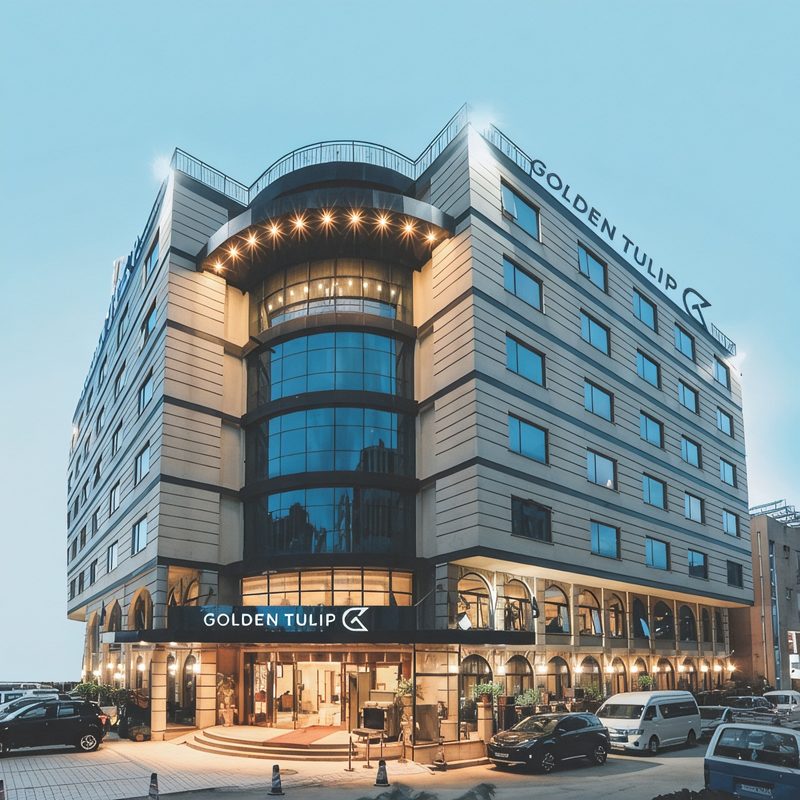
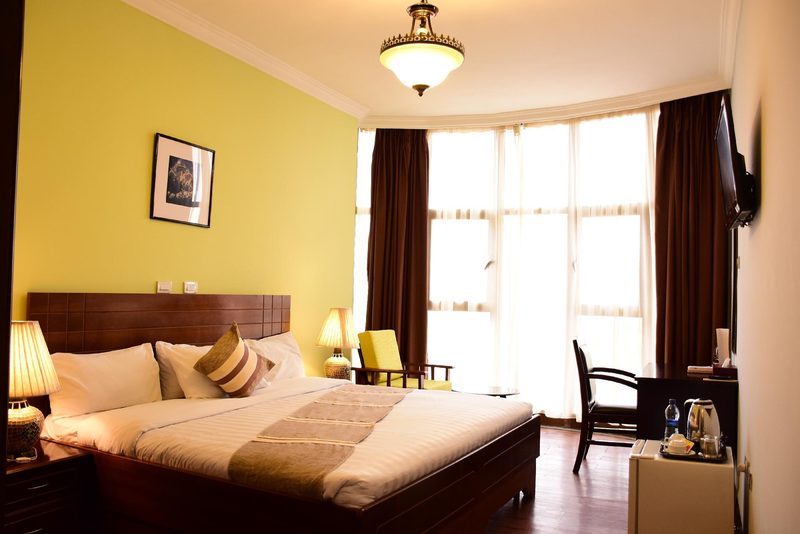
Where to Stay in Addis Ababa in March

Hand-picked hotels across price tiers for March travellers.

March Events & Festivals

What's happening during your visit

March 2
Adwa Victory Day (Ye'adwa Dil Beal)

March 2 commemorates Ethiopia's 1896 victory over Italian forces at Adwa, the only African nation to repel European colonization by arms. In Addis Ababa the day feels like pride and memory combined. Veterans, officials, and thousands of residents in white shamma converge on Menelik II Square. Kebro drums throb and women ululate overhead. Gun salutes echo across the city. This is not a show for tourists. It is a national reckoning, and standing in that crowd you grasp Ethiopian identity more sharply than any display case allows. Government offices and many businesses shut, and traffic around Meskel Square and the route to Menelik Square stalls completely, so plan accordingly.

Throughout March
Orthodox Lenten Season (Hudadi / Abiy Tsom)

Ethiopian Orthodox Great Lent usually lands in March, and its impact on Addis Ababa is everywhere. For 55 days roughly half the city eats vegan. Restaurants roll out expanded fasting menus. Injera houses stack beyaynetu platters with a dozen vegetable and legume dishes. Wednesday and Friday fasting days bring specials you will not find at other times. Church attendance soars; pre-dawn services at Bole Medhane Alem and Holy Trinity Cathedral spill white-clad worshippers and Ge'ez chanting into the streets. Travelers gain front-row access to Ethiopia's plant-based cuisine and to Orthodox rhythms casual visits miss.

Packing Checklist

Bookmark this page — your progress is saved between visits

Need the full list with shopping links?

Climate-specific gear, brand recommendations, and what to leave at home.

View Addis Ababa Packing List →

Essential Tips

Insider knowledge and common pitfalls to avoid

Insider Knowledge
Addis Ababa runs on Ethiopian time, six hours off the Western clock. When an Ethiopian says 2 o'clock, they mean 8 AM faranji time, because the local clock starts at dawn. Always ask, 'Ethiopian time or faranji time?' Faranji means foreigner, no one minds. Get it wrong and you arrive for a morning tour in the afternoon heat. The best injera in Addis Ababa is 100 percent teff, dark brown and sharply sour, coating your tongue like lively sourdough. Tourist spots blend in wheat for a lighter, blander sheet. Pale injera equals the diluted version. Ask for ye-teff injera, or eat where locals eat, at plastic tables with no English menu along Bole Road south of Edna Mall or in Arat Kilo near Addis Ababa University. March Lenten fasting means many restaurants serve ONLY fasting food on Wednesdays and Fridays, no exceptions. If you want kitfo, the raw minced beef signature, or tibs, the sautéed cubes, book those meals for non-fasting days. Saturday evenings shine because families break the fast with celebratory meat, and kitfo houses in Bole and Gotera buzz. The Addis Ababa Light Rail crosses at Meskel Square and works well north-south between the stadium area and Kality, or east-west from Ayat to Torhailoch. It costs almost nothing, runs every 10 to 15 minutes, and beats the minibus lottery. It turns into a human crush at 7 to 9 AM and 5 to 7 PM, impossible to board. Ride mid-morning or early afternoon and you may find a seat.
Avoid These Mistakes
Do not ignore the altitude. Addis Ababa sits at 2,355 m (7,726 ft), higher than Mexico City, Bogota, or Denver. New arrivals who land, sip coffee, then hike Merkato for four hours end up dizzy, headachy, and gasping by mid-afternoon. The city feels flat. But your blood carries less oxygen. Take day one slow, drink water constantly, skip alcohol for 24 hours, and save the Entoto hike for day two or three. Do not expect plastic to work everywhere. Addis Ababa lives on birr cash outside a few hotels and upscale Bole restaurants. Merkato is cash only, traditional restaurants are cash only, taxis and minibuses are cash only. ATMs exist but run dry, crash, or reject foreign cards without warning. Pull large stacks when you find a working machine and keep two days of birr on you at all times. Do not trade the coffee ceremony for a fast espresso. Macchiato culture here, born under Italian occupation, is excellent, and Tomoca near Piazza pours one of Africa's best espressos. Buna is not slow coffee. It is a social ritual with smoke, frankincense, popcorn, three pours from the same grounds, flavors espresso cannot touch. Accept a local's buna invite and you step inside Ethiopian life. Decline and you stay a tourist.
Explore More Activities in Addis Ababa

Didn't see anything interesting yet?

Browse Viator's full catalog of tours, day trips, food experiences, and private guides in Addis Ababa.

See All Addis Ababa Tours on Viator