Things to Do in Addis Ababa in November
November weather, activities, events & insider tips
Shoulder Season · Good Value
November Weather in Addis Ababa
Long-run averages for November
73°F (23°C)
High Temp
46°F (8°C)
Low Temp
0.2 inches (5 mm)
Rainfall
51%
Humidity
12
Sunny-Day UV
⚠ High UV index due to altitude - sun protection is critical even on cool days.
Is November Right for You?
Weigh the advantages and considerations before booking
Advantages
- + September rains scrub the dust from the plateau. The air turns bone-dry and crystalline. From Entoto Mountain, you see for miles across the Shewa plains.
- + Sunshine comes nearly every day. The high altitude keeps afternoons comfortable. Walk for hours. You will not sweat.
- + The city stirs after rainy season quiet. Crowds stay thin at the National Museum and Merkato. December rush has not arrived.
- + Coffee ceremonies spill into sunny courtyards. Roasting beans and burning frankincense fill the cool, still air of late afternoons.
Considerations
- − That crisp air bites. Mornings and evenings hit 46°F (8°C). Pack wrong, and you freeze. This is not the 'Africa' you imagined. The city sits at 2,355 meters (7,726 ft).
- − Late November marks the green season's end. Hills around the city shift to Ethiopian gold. Wildflowers vanish.
- − Dry Harmattan winds blow from the Sahara. Fine dust kicks up some afternoons. A pale haze settles over southern suburbs.
Best Activities in November
Top things to do during your visit
Addis Ababa in November is defined by clarity. The long rains have fully retreated. The air turns crisp. The skies over the city become a piercing, uninterrupted blue. With an average high of 23 degrees Celsius and virtually no rainfall, the dry season settles in completely. Every day becomes good for exploration. This is when the scent of roasting coffee beans carries farther through neighborhoods. The low morning sun casts long, sharp shadows across the city's hills. Locals enjoy the reliable weather. They fill pavement cafes in afternoons and mesob bet restaurants in evenings. There, the warm, fermented aroma of injera bread rises from woven baskets. Compared to the humid, cloud-covered months of July and August, November in Addis Ababa feels expansive and open. It invites you to wander. The rhythm of the city adjusts to this dependable dryness. You will see laundry drying quickly on lines. Dust motes dance in sunbeams that cut through market stalls. Evenings dip to around 8 degrees Celsius, a distinct chill that reminds you of the city's altitude. It is a month for layers. Pack a light jacket for morning excursions. Shed it by midday. While no major festivals are verified for this period, the comfortable climate makes it a prime window for immersive, full-day tours. These reveal the layers of Ethiopia's capital. From the echoing halls of its national museum to the sizzle of tibs on a charcoal fire in a local eatery, Addis Ababa in November is experienced outdoors and in motion. The sun stays warm but never oppressive.

Hidden Treasures of Addis Ababa - Food, Culture and History Tour
guided_experienceYou will smell cumin and berbere at aromatic spice stalls. You will share the bitter, roasted taste at communal coffee ceremonies. It connects the historical narrative of Addis Ababa directly to its contemporary culinary heartbeat.
It has a tangible thread between the past and present of the city through direct encounters with its food and people.
Insider tip: Come hungry and skip a formal breakfast, as the tour includes numerous generous tastings of traditional dishes.

Addis Ababa City Highlights: Private Guided Tour Free pick up
private_tourYou will feel a cool breeze at Entoto Hill and see the entire metropolis laid out below. You will sense the solemn atmosphere of Holy Trinity Cathedral.
It provides a complete, personalized overview of Addis Ababa's varied districts and key sites without the fixed schedule of a group tour.
Insider tip: Request to include a stop at a local bakery to taste fresh ambasha bread, still warm from the oven.

Addis Ababa City Tours Full Day With Hotel Pickup And Drop Off.
day_tripIt often includes the National Museum to see paleontological treasures. It includes the busy Mercato district where you hear the constant hum of bargaining. It stops at a traditional restaurant for a lunch of rich, spicy wat stews.
For travelers with limited time, it delivers a thorough and efficient immersion into the history, commerce, and culture of Addis Ababa.
Insider tip: Wear sturdy, comfortable shoes as this tour involves a significant amount of walking on uneven surfaces in markets and museum halls.

Discover Addis Ababa:Museums,Churche,Markets,Landmarks & Coffee
culturalYou will hear haunting echoes inside rock-hewn churches. You will handle woven textiles in a market. You will smell the incense burned alongside beans at a coffee ceremony.
It thoughtfully balances solemn historical sites with the lively sensory overload of the city's modern markets.
Insider tip: Carry small denominations of local currency for purchasing roasted coffee beans or handcrafted souvenirs directly from artisans you meet.

Danakil Depression, Lalibela, Omo Valley and Simien Mountains
otherIt includes the otherworldly landscapes of the Danakil Depression and the ancient churches of Lalibela.
It is a profound journey through some of Ethiopia's most dramatic and culturally significant landscapes, contrasting sharply with the urban experience of the capital.
Insider tip: This trip requires considerable advance planning and a good level of physical fitness for hiking in places like the Simien Mountains.

Omo Valley Tours
guided_experienceYou might hear the rhythmic stamping of a ceremonial dance. You will see the intricate patterns of body paint and adornment worn by various ethnic groups.
It offers an intense, focused encounter with cultures in southern Ethiopia that maintain traditional ways of life.
Insider tip: Travel with an open mind and respect for local customs. Always ask permission before taking photographs of people.
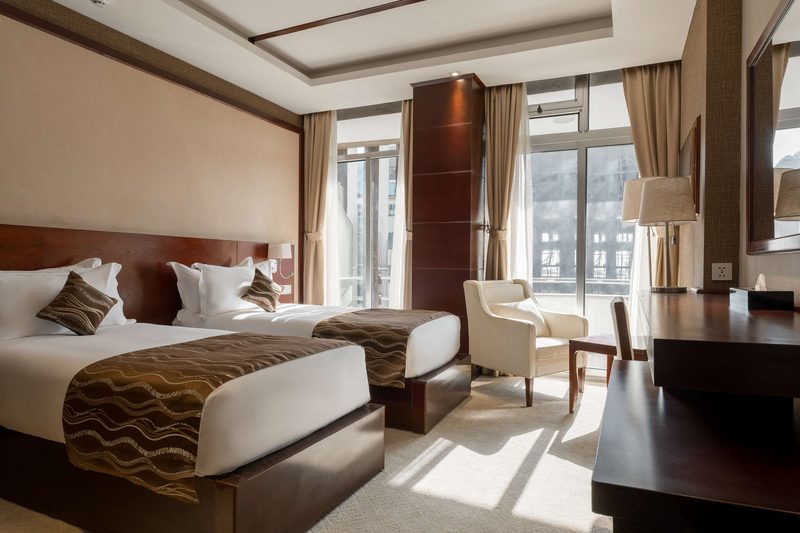
Where to Stay in Addis Ababa in November
Hand-picked hotels across price tiers for November travellers.

Packing Checklist
Bookmark this page — your progress is saved between visits
Need the full list with shopping links?
Climate-specific gear, brand recommendations, and what to leave at home.
View Addis Ababa Packing List →Essential Tips
Insider knowledge and common pitfalls to avoid
Insider Knowledge
Locals run or walk in the parks just after sunrise, when the air is fresh and the light is soft. Join them at Friendship Park or the grounds of the UN compound for the real Addis Ababa wake-up ritual.
The best buna (coffee) isn't always in a cafe. Follow the sound of the popcorn-like crackle of beans roasting and the smell of incense to unmarked residential compounds, where you can often join a ceremony for a few birr.
November is when the city's eucalyptus trees shed their bark. The scent of the oil in the warm afternoon sun, a medicinal, clean smell, is the defining fragrance of Addis Ababa this month.
For a sunset, skip the rooftop bars and head to the steps of the Africa Hall in the Old Airport area. You'll get an unobstructed view of the sun sinking behind the Entoto ridge, silhouetting the pine trees, with only the sound of the wind and distant city hum.
Avoid These Mistakes
Packing only summer clothes and freezing by 6 PM. That jacket is not optional. Pack layers. The temperature drops fast.
Underestimating the sun. A burn at 2,355 meters (7,726 ft) comes on fast, even on a cool day. Wear sunscreen. Reapply often.
Trying to do too much in one afternoon. The altitude still saps energy, when combined with walking on hills. Pace yourself, and schedule a mid-afternoon coffee break like the locals do.
Ready to plan your trip to Addis Ababa?
Now that you've got the research covered, here's where to go next.
Explore More Activities in Addis Ababa
Didn't see anything interesting yet?
Browse Viator's full catalog of tours, day trips, food experiences, and private guides in Addis Ababa.
See All Addis Ababa Tours on Viator