Things to Do in Addis Ababa in February
February weather, activities, events & insider tips
Shoulder Season · Good Value
February Weather in Addis Ababa
Long-run averages for February
77°F (25°C)
High Temp
49°F (9°C)
Low Temp
1.3 inches (33 mm)
Rainfall
50%
Humidity
14
Sunny-Day UV
⚠ Extremely high UV index due to the high altitude and clear skies. Sun protection is medically necessary. Not optional.
Is February Right for You?
Weigh the advantages and considerations before booking
Advantages
- + February air in Addis Ababa carries that crisp, high-altitude clarity the rainy season lacks. Light on the Entoto Hills cuts sharp. Painfully sharp. Good for photography without haze.
- + This is the dry season's tail end. Trails around Menagesha Suba Forest stay firm underfoot. The dust has not yet turned to mud that plagues later months.
- + Hotel occupancy drops after January's Timkat (Epiphany) celebrations. Room availability improves. Smaller guesthouses offer more negotiation room than peak December allows.
- + Mornings stay cool enough for roasting coffee bean smells to linger. Traditional jebena pots release aromas that midday heat or rain would chase away.
Considerations
- − That intense sun at 2,355 meters (7,726 ft) deceives. Air feels cool. UV radiation is brutal. You will burn in 20 minutes without serious protection. Many first-timers learn this the hard way.
- − Main roads handle fine. Unpaved side streets in older neighborhoods like Piazza kick up fine, red dust clouds with every passing minibus. Everything coats.
- − Some smaller, family-run cultural restaurants in the Mercato district shut for a week or two in early February. Locals use this quiet period to visit family outside the city after the big holidays.
Best Activities in February
Top things to do during your visit
Addis Ababa in February has a distinct rhythm, defined by the city's highest elevation. The air is crisp and clear. Daytime warmth feels generous under bright sun, while evenings carry a definite chill that calls for a light jacket. This is the dry season's last stand before the heavier rains begin in March, making it a prime window for exploration. Locals take advantage of the reliable weather, filling the terraces of coffee houses where steam from tiny cups mingles with the scent of roasting beans. The city's pace is steady, neither slowed by downpours nor choked by dust, allowing the layers of Addis Ababa, from its large markets to its quiet hilltop monasteries, to be experienced with ease. For visitors, February presents a city that is fully accessible, where one can spend a full day walking between landmarks without a sudden shower, though the highland sun is strong and the shade is cool. The search for things to do in Addis Ababa in February often leads indoors to its institutions, and the city's museums answer that call with profound collections. The National Museum, for instance, holds quiet halls where you can stand before the casts of Lucy's bones, feeling the immense weight of deep time in a cool, hushed space. Across town, the Ethnological Museum within the old palace gardens has a different texture, where light filters through tall windows onto displays of royal regalia and musical instruments, their shapes intricate against white walls. Dining in Addis Ababa is a central pursuit, and in February the experience is often anchored by the communal *mesob*, the woven basket table from which you share spongy *injera* topped with fiery *berbere* stews and tangy lentil *wats*, your fingers tracing the same patterns of eating that define homes across Ethiopia. As night falls, the question of safety in Addis Ababa is met by the sight of families and friends gathering in well-lit restaurants and jazz clubs in the Bole area, where the sound of a saxophone curls through the air, dense with conversation and the earthy smell of beer.

Hidden Treasures of Addis Ababa - Food, Culture and History Tour
guided_experienceThis guided walk weaves through the alleyways of the *merkato*, where the scent of frankincense and fresh chilies hangs in the air, and into quiet courtyards for a coffee ceremony, listening to the beans crackle in the pan. It connects the dots between a historic pastry shop, its cases gleaming with honey-drenched treats, and a rustic *kitfo* house where the minced beef is seasoned with mitmita and fiery clarified butter.
It translates the overwhelming energy of Addis Ababa into a coherent, flavorful narrative led by a resident.
Insider tip: Wear sturdy, comfortable shoes as the route involves uneven sidewalks and steps in the older neighborhoods.

Addis Ababa City Highlights: Private Guided Tour Free pick up
private_tourThis private tour efficiently covers the monumental landmarks, from the soaring African Union headquarters to the vast expanse of Meskel Square, where you feel the scale of the city and hear the distant echo of traffic. It includes the grandeur of the Holy Trinity Cathedral, its stained glass casting colored light on marble floors, and the panoramic view from Mount Entoto, where the cool, eucalyptus-scented wind offers respite.
It delivers a complete overview of Addis Ababa's political and spiritual heart with the flexibility to linger on personal interests.
Insider tip: Request to include the short drive through the Old Airport area to see its unique mid-century architecture.

Addis Ababa City Tours Full Day With Hotel Pickup And Drop Off.
day_tripA full-day itinerary pushes deeper, allowing time to absorb the National Museum's paleontological treasures and the detailed dioramas at the Ethnological Museum, where you can walk through recreations of traditional Somali and Afar huts. It often incorporates a late lunch at a well-known *injera* buffet, tasting the sourdough flatbread alongside a dozen different vegetable and meat stews.
It is the most thorough single-day introduction to Addis Ababa's cultural and historical core.
Insider tip: Pace yourself at the museum sections. The volume of information is substantial and can be overwhelming if rushed.

Discover Addis Ababa:Museums,Churche,Markets,Landmarks & Coffee
culturalThis experience emphasizes the ritualistic, from the slow, smoky preparation of coffee in a traditional home to the solemn quiet of St. George's Cathedral, its circular interior adorned with painted panels. It contrasts this with the sensory overload of the Sheromeda market, a place where you see bolts of embroidered white cotton and smell the leather of handcrafted saddles.
It thoughtfully balances spiritual reverence with the busy, tactile commerce that fuels daily life in Addis Ababa.
Insider tip: Carry small bills for the market. Vendors for textiles and crafts here rarely have change for large notes.

Danakil Depression, Lalibela, Omo Valley and Simien Mountains
otherThis multi-day expedition ventures far beyond Addis Ababa into Ethiopia's most extreme landscapes, from the salt flats of the Danakil Depression, where you feel the searing heat and see sulfuric springs in alien colors, to the rock-hewn churches of Lalibela, cool and silent inside the mountain. It includes the high Simien Mountains, where gelada monkeys chatter on cliffs, and the Omo Valley, known for its busy cultures.
It is a condensed journey across the country's most well-known and physically demanding regions.
Insider tip: This trip requires serious preparation. Pack for both scorching desert heat and cold highland nights.
This month: February conditions in the Danakil are severe.

Omo Valley Tours
guided_experienceFocused solely on the Omo Valley, this tour immerses you in the communities of the lower Omo River, where you might hear the rhythmic body percussion of a Hamar ceremony or see the intricate clay hairstyles of the Karo people. The air is dry and dusty, carrying the smell of livestock and wood smoke from village compounds.
It has a concentrated, respectful engagement with the varied ethnic groups of southern Ethiopia.
Insider tip: Photography etiquette is paramount. Always ask for permission, which may involve a negotiated fee, before raising a camera.
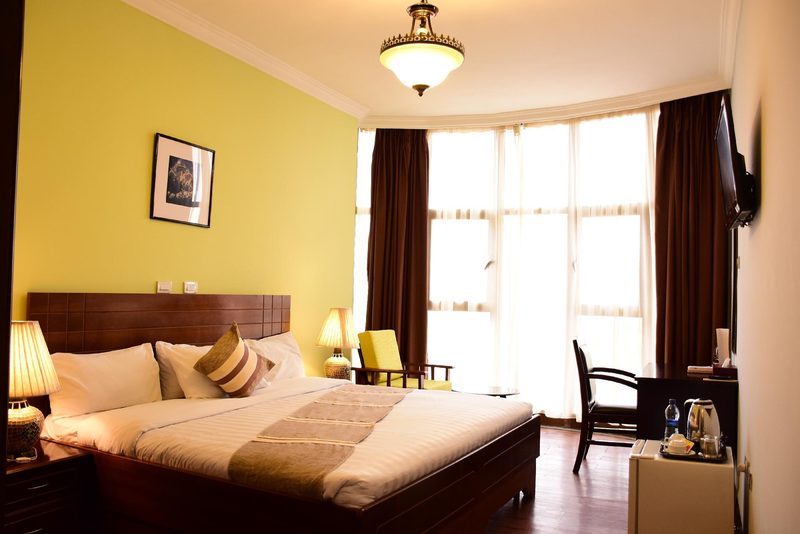
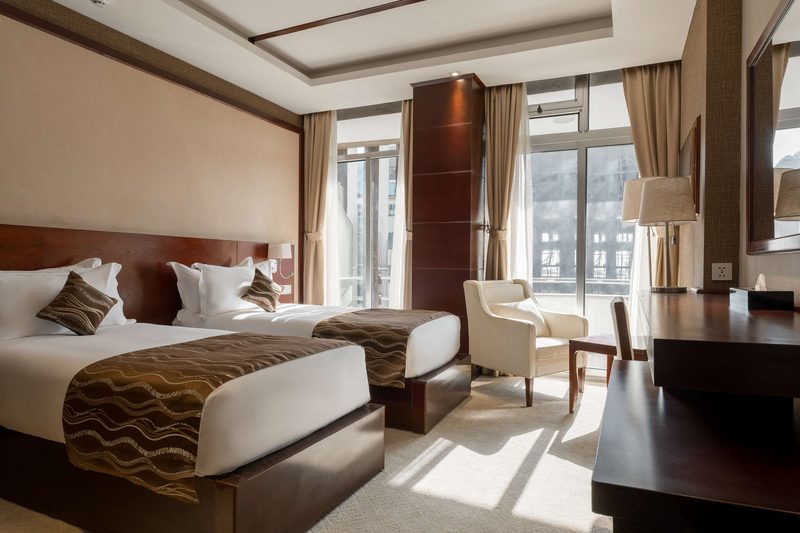
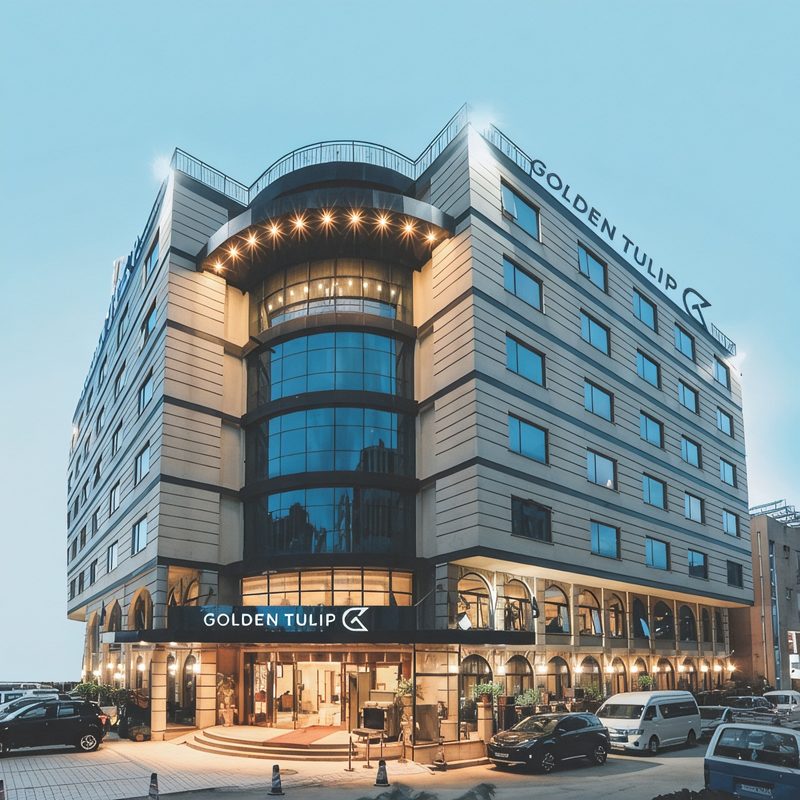
Where to Stay in Addis Ababa in February
Hand-picked hotels across price tiers for February travellers.
Packing Checklist
Bookmark this page — your progress is saved between visits
Need the full list with shopping links?
Climate-specific gear, brand recommendations, and what to leave at home.
View Addis Ababa Packing List →Essential Tips
Insider knowledge and common pitfalls to avoid
Insider Knowledge
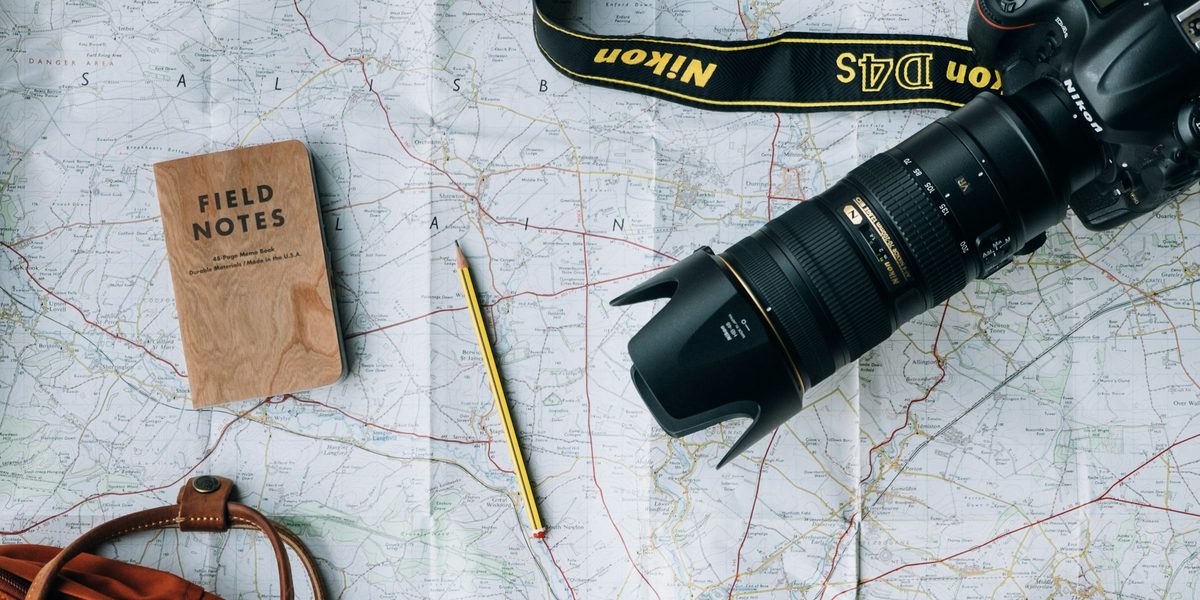
Light is best for photography in the two hours after sunrise and before sunset. Long shadows and golden hue make the city's architecture look its best. From Africa Hall to St. George Cathedral.
For a local breakfast, skip the hotel buffet. Find a street-side vendor serving ful (stewed fava beans) with fresh bread. The smell of cumin and chopped tomatoes frying in niter kibbeh (spiced butter) is the real alarm clock in Addis Ababa.
That rapid, rhythmic clapping you hear from a coffee ceremony nearby? It's the woman roasting the beans, fanning the embers. Not applause. It's one of those distinctive sounds of an Addis Ababa afternoon.
Visit the National Museum late in the afternoon. School groups and morning crowds have usually dissipated by then. You can have a more contemplative moment with Lucy (Australopithecus afarensis) in the basement gallery.
Avoid These Mistakes
Underestimating the altitude. Addis Ababa sits at 2,355 meters (7,726 ft). Take it easy the first day. Stay hydrated. Avoid heavy meals and alcohol until you acclimate.
Planning every meal at a restaurant. Some of the best flavors in Addis Ababa come from injera baskets carried by women to offices at lunchtime. Ask your guide or hotel to help you find these informal, hyper-local spots.
Trying to see the Mercato without a guide. It's a fascinating, overwhelming labyrinth. A local guide isn't just for context. They'll help you navigate the crowds and keep your bearings in the 15-square-kilometer (5.8-square-mile) maze.
Ready to plan your trip to Addis Ababa?
Now that you've got the research covered, here's where to go next.
Explore More Activities in Addis Ababa
Didn't see anything interesting yet?
Browse Viator's full catalog of tours, day trips, food experiences, and private guides in Addis Ababa.
See All Addis Ababa Tours on Viator