Things to Do in Addis Ababa in January
January weather, activities, events & insider tips
Shoulder Season · Good Value
January Weather in Addis Ababa
Long-run averages for January
75°F (23°C)
High Temp
47°F (8°C)
Low Temp
0.5 inches (13 mm)
Rainfall
51%
Humidity
12
Sunny-Day UV
⚠ High UV index (12) requires serious sun protection, at altitude.
⚠ Significant temperature drop at sunset - unprepared visitors can get very cold.
Is January Right for You?
Weigh the advantages and considerations before booking
Advantages
- + The skies stay relentlessly blue and dry. You can plan outdoor days for weeks without a single raindrop spoiling your view from Entoto Hill.
- + Daytime temperatures feel like a perfect spring day in most of Europe. They hover around 23°C (73°F). The crisp, clear air makes every color pop. The Meskel Square murals glow. The green and yellow taxis look unnaturally vivid.
- + This is the absolute peak of the coffee harvest season. The air in the Mercato carries the deep, almost chocolatey scent of fresh beans being sorted. The traditional coffee ceremony in any home or café uses beans roasted that same week.
- + Crowds at the National Museum to see Lucy are thinner than during the European summer exodus. You get actual elbow room. You can stare at those three-million-year-old bones without being herded along.
- + The highland sun in January has a specific, sharp quality. It warms your skin instantly at 2,355 meters (7,726 feet). The air stays cool enough that you won't sweat through your shirt walking up Churchill Avenue.
Considerations
- − Mornings and evenings bite with a genuine chill. That 8°C (47°F) low isn't a suggestion. It's a reality that catches tourists shivering in shorts at 7 AM outside their hotel.
- − The dry season means dust, in the afternoons. The harmattan winds can occasionally drift down from the Sahara. They leave a fine, red haze over the city. You will feel grit on your teeth after a day outside.
- − Because it's arguably the most pleasant weather of the year, hotel rates in Addis Ababa aren't at their rock-bottom lowest. You're paying for this perfection. Expect higher prices, in the Bole and Old Airport districts.
- − Some of the smaller, family-run tour operators to the northern sites might be fully booked by this point. January is prime time for the Historic Route. Planning last-minute is a gamble.
Best Activities in January
Top things to do during your visit
Addis Ababa in January is defined by a clarity of light and air that feels like a city taking a deep breath. The dry season is firmly established, with the highland sun warming the plateau to an average high of 23 degrees Celsius, while nights bring a distinct chill that settles over the terraced hillsides. This is the month with the least rainfall, a mere half-inch on average, meaning the red dust of construction sites hangs in visible clouds against a bright sky, and the scent of roasting coffee beans from roadside vendors seems to travel farther on the crisp, thin air. Locals move through their days wrapped in lightweight shawls or heavier netelas, transitioning easily from the sunny afternoons to the cool evenings where the smell of charcoal fires and the sound of Amharic conversation spill from cafes. For the traveler, this atmospheric condition means unimpeded days of exploration. The question of cloud cover is answered by a typically clear, high-altitude sky that frames the silhouette of the Entoto Mountains. The search for events in January yields a quieter cultural calendar, shifting focus instead to the lasting rhythms of daily life in Addis Ababa, the morning ritual of coffee ceremony, the steady hum of the merkato, and the long views from the city's elevated points. It is a time for purposeful discovery rather than festival crowds, where the light is sharp and the city's layers, from its ancient churches to its modern railways, are presented without the veil of rain or humidity. Navigating Addis Ababa requires an understanding of its scale and gradients. The thin air at this altitude can be felt on steep walks, and the brilliant sun makes hats and layers essential. The dry weather makes this an ideal period for extensive walking tours through different neighborhoods, from the polished halls of the African Union headquarters to the weathered stalls of the open markets, where the smell of frankincense and dried chilies creates a potent mix. Dining moves easily from sunlit terraces to cozy, lamplit interiors as the temperature drops after sunset, with the taste of spicy berbere and fermented injera providing a constant, warming thread through the day.

Hidden Treasures of Addis Ababa - Food, Culture and History Tour
guided_experienceBypasses monument checklists to plunge you into the city's living fabric. You might follow the sound of mortar and pestle into a family home for a coffee ceremony, feel the soft texture of hand-spun cotton in a backstreet workshop, and taste the complex, sour tang of freshly baked injera from a neighborhood bakery known only to locals. This experience connects the historic with the everyday in Addis Ababa.
It transforms the city from a spectacle into a conversation, guided by those who call its neighborhoods home.
Insider tip: Wear comfortable shoes with good grip for navigating uneven sidewalks and the occasional steep, unpaved lane in the older quarters.

Addis Ababa City Highlights: Private Guided Tour Free pick up
private_tourHas a curated introduction, efficiently connecting the dots between the city's grand narratives and its symbolic landmarks. You will see the gleaming modernity of the African Union complex, stand before the skeletal remains of Lucy in the National Museum, and hear the echoing chants from within the Holy Trinity Cathedral's arched stone interior. This tour provides the essential framework upon which deeper understanding of Addis Ababa is built.
It delivers the foundational history and geography of Ethiopia's capital in a single, streamlined outing.
Insider tip: Request your guide to include a brief stop at the panoramic viewpoint from Mount Entoto for a sweeping view of the city's vast expanse, weather permitting.

Addis Ababa City Tours Full Day With Hotel Pickup And Drop Off.
day_tripAn immersive dive, designed to fill your senses from morning until evening. You will feel the cool, quiet air inside the rock-hewn cave of St. George's Church, hear the frantic calls of vendors in the large Merkato, and later, taste the smoky kick of traditional tibs sizzling on a clay mitad during an included lunch. It captures the full daily rhythm of Addis Ababa.
For the traveler with limited time, it is the most complete single-day overview of the capital's contrasts and core attractions.
Insider tip: Pace yourself at the Merkato. The sheer scale and sensory overload can be intense, so keep your belongings secure and stay close to your guide.

Discover Addis Ababa:Museums,Churche,Markets,Landmarks & Coffee
culturalFocuses intently on the pillars of Ethiopian identity: faith, artistry, commerce, and coffee. You will smell the ancient parchment and wax in the Ethnological Museum, housed in Emperor Haile Selassie's former palace, touch the rough-hewn walls of centuries-old churches, and witness the precise, bubbling pour of a jebena during a traditional coffee ceremony that engages all five senses. The tour thoughtfully weaves together the threads that form Addis Ababa's culture.
It explores the interconnected realms of religion, history, and daily ritual that define life in Ethiopia.
Insider tip: Carry small bills for the market segment. You may wish to purchase roasted coffee beans or handcrafted silver crosses from independent artisans.

Danakil Depression, Lalibela, Omo Valley and Simien Mountains
otherVentures far beyond Addis Ababa to show Ethiopia's staggering geological and cultural variety. You will feel the otherworldly heat of the Danakil Depression's salt flats, hear the solemn silence inside Lalibela's rock-hewn churches at dawn, and see the vivid body art and intricate hairstyles of communities in the Omo Valley. It is a journey across extreme landscapes and into lasting traditions.
It is arguably the most complete single itinerary for experiencing the profound contrasts that define the entire country.
Insider tip: January's dry, clear conditions are good for the Danakil Depression and for trekking in the Simien Mountains, where visibility is high and rain is unlikely.

Omo Valley Tours
guided_experienceA focused immersion into one of Africa's most culturally rich regions, accessible from Addis Ababa. You will hear the rhythmic stomping and bull-leaping chants of a Hamar ceremony, see the precise scarification patterns on Karo bodies, and feel the dry, baked-earth air of the valley's remote villages. It is an intense, respectful encounter with ways of life that have persisted for centuries.
It has a direct, guided engagement with the distinctive cultures of the Omo Valley's numerous ethnic groups.
Insider tip: The dry season, including January, is the preferred time for travel, as dirt roads to remote villages are more reliably passable and cultural gatherings are often held outdoors.
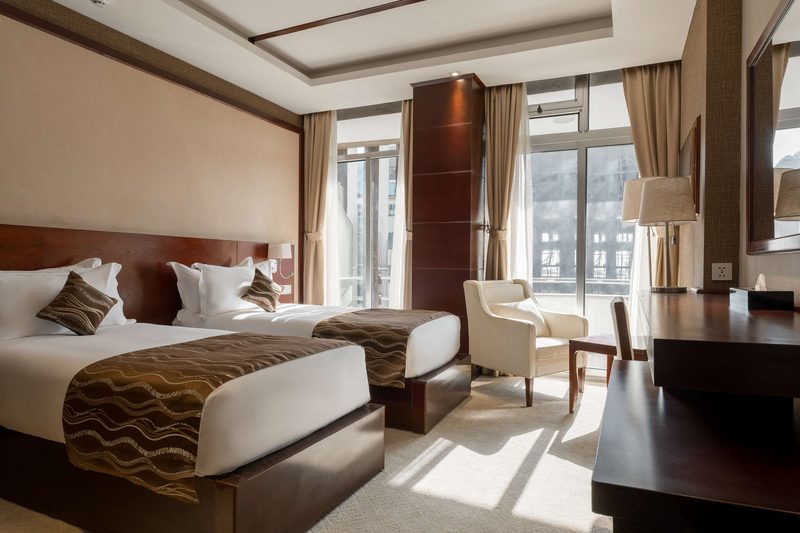
Where to Stay in Addis Ababa in January
Hand-picked hotels across price tiers for January travellers.

Public Holidays in January
Dates that affect opening hours, transport and crowds
ልደተ-ለእግዚእነ/ ገና
Known in English as Christmas Day (Orthodox). Observed nationwide as a public holiday.
ნათლისღება
Known in English as Epiphany (Orthodox). Observed nationwide as a public holiday.
ልደተ-ለእግዚእነ/ ገና
Known in English as Christmas Day (Orthodox). Observed nationwide as a public holiday.
ნათლისღება
Known in English as Epiphany (Orthodox). Observed nationwide as a public holiday.
Packing Checklist
Bookmark this page — your progress is saved between visits
Need the full list with shopping links?
Climate-specific gear, brand recommendations, and what to leave at home.
View Addis Ababa Packing List →Essential Tips
Insider knowledge and common pitfalls to avoid
Insider Knowledge
For the best Timket experience, don't just follow the biggest procession. Find a smaller neighborhood church in the Old Piazza or Sidist Kilo area and follow their tabot to the local water source. It's more intimate, less crowded, and you'll see the genuine devotion without the tourist scrum.
Coffee is cheaper and often better at the unmarked, hole-in-the-wall spots where old men play board games. Look for the jebena (clay coffee pot) steaming on coals and the scent of frankincense. A full ceremony might cost the equivalent of loose change.
The light for photography in Addis Ababa is magic between 4 PM and 5:30 PM in January. The long shadows and golden hue make the city's brutalist architecture and colorful street life look cinematic. Head to the hills around Edna Mall or the grounds of Holy Trinity Cathedral.
If you're heading north afterwards, January is the time to splurge on a domestic flight to Lalibela or Gondar. The roads, while improved, are long and dusty. The view from the plane over the Ethiopian Highlands in this weather is worth the ticket.
Avoid These Mistakes
Underestimating the altitude and sun. Arriving and immediately attempting a vigorous hike up Entoto or walking miles across town leads to exhaustion and altitude sickness. Take your first day very slowly.
Packing only for the 'warm' daytime forecast. Sitting outside at a popular restaurant like Habesha 2000 or Yod Abyssinia in the evening without a layer is a recipe for shivering through your meal.
Trying to see Addis Ababa in a single day between international flights. The city's rhythm and depth reveal themselves over three days minimum. The National Museum alone deserves a half-day.
Ready to plan your trip to Addis Ababa?
Now that you've got the research covered, here's where to go next.
Explore More Activities in Addis Ababa
Didn't see anything interesting yet?
Browse Viator's full catalog of tours, day trips, food experiences, and private guides in Addis Ababa.
See All Addis Ababa Tours on Viator