Addis Ababa - Things to Do in Addis Ababa in December

Things to Do in Addis Ababa in December

December weather, activities, events & insider tips

Excellent time to visit Shoulder Season · Good Value

December Weather in Addis Ababa

Temperature, rainfall and humidity at a glance

73°F (23°C) High Temp
45°F (7°C) Low Temp
0.3 inches (8 mm) Rainfall
70% Humidity
⚠ UV radiation at Addis Ababa's elevation of 2,355 m (7,726 ft) is significantly more intense than at sea level despite comfortable temperatures. With a UV index of 8, unprotected skin burns in under twenty minutes during midday hours. Sunscreen, sunglasses, and a hat are essential, not optional. ⚠ The 16°C (29°F) temperature swing between daytime highs and nighttime lows catches unprepared visitors off guard. Hypothermia is not a risk. But genuine discomfort and disrupted sleep are common among travelers who pack only for warm weather. ⚠ Dry-season dust, fine red laterite from unpaved roads and construction sites, can aggravate respiratory conditions. Air quality in the lower Merkato area and along major road corridors deteriorates on windy afternoons. Travelers with asthma should carry their inhaler and consider a dust mask for market visits.

Is December Right for You?

Weigh the advantages and considerations before booking

Advantages
  • + December lands square in Addis Ababa's dry season. The shift from summer's kiremt rains is stark. Skies stay cloudless most days. The air at 2,355 m (7,726 ft) runs thin and sharp. Late afternoon light over the Entoto range turns the eucalyptus canopy molten amber. You will not see this during overcast months. Outdoor walking, hillside hiking, and market browsing become pleasant. Forget the mud-and-umbrella scramble of July or August.
  • + Daytime temperatures hover around 23°C (73°F). At this altitude, that number feels cooler than it reads. The city is walkable in ways tropical lowland capitals never are. Cross from Piazza to Meskel Square on foot. Arrive dry. The mid-morning hours between ten and noon approach perfection. Explore the tangled lanes around Merkato. Climb the switchback road toward Entoto Maryam Church.
  • + The Orthodox Tsome Genna fasting season runs through December. What sounds like restriction is gift for visitors. Every traditional restaurant and injera house expands its fasting menu. Plant-based platters emerge: split lentil wot, turmeric-stained cabbage, beet-and-potato alicha, shiro ground so fine it spreads like hummus on spongy injera. You will eat better vegan food here during fasting season than in most cities that brand themselves as vegan-friendly.
  • + December sits in the shoulder window before true peak season. January brings Genna and Timkat. Diaspora visitors and European tour groups increase in. Accommodation still has genuine availability in December. Guides are less stretched. The National Museum is navigable. No queueing three-deep around Lucy's display case. You get nearly the same weather as January. Skip the crowd premium.
Considerations
  • Altitude is the thing nobody warns you about. Not until you are lightheaded walking from baggage claim to the taxi rank. Addis Ababa sits at 2,355 m (7,726 ft). Even fit travelers feel the thinness of the air. Mild headaches. Faster breathing on stairs. Fatigue hits mid-afternoon on your first two days. It is not dangerous for most people. It is real. It will cost you a day of full productivity if you do not pace yourself.
  • The temperature swing between day and night catches first-time visitors off guard. A sunny 23°C (73°F) afternoon can drop to 7°C (45°F) by 9 PM. Walk out for dinner in a T-shirt. You will regret it before the appetizer arrives. The dry season also means dust. Red laterite kicks up from construction and minibus traffic. It coats everything. The air in lower Merkato on a windy afternoon can leave your throat raw.
  • Late December pushes accommodation prices upward. Ethiopian diaspora travelers return for the holidays and New Year celebrations. Rooms easy to find in early December tighten by the 20th. The Bole corridor books quickly in particular. Dates flexible? The first two weeks of December are noticeably calmer. More affordable than the final ten days.

Best Activities in December

Top things to do during your visit

December settles over Addis Ababa like a long exhale. The rainy season ended weeks ago. The city sits under wide, clean skies at nearly 2,400 meters above sea level, the air thin and cool enough to raise goosebumps on bare arms each morning. Daytime temperatures hover around 23 degrees Celsius, warm enough for a single layer in the sun. Nights plunge toward 7 degrees. The eucalyptus-scented chill that rolls down from the Entoto Hills after dark calls for a proper jacket. Rainfall is negligible, barely 8 millimeters across the entire month. The red-earth roads on the city's edges stay firm underfoot. The light has a golden, dust-filtered quality that photographers prize. For travelers weighing whether Ethiopia's weather cooperates in December, this is as reliable and dry as Addis Ababa gets, matched only by November and January. The city's rhythm in December carries a particular anticipation. Ethiopian Christmas, Genna, falls on January 7. The weeks beforehand see preparation everywhere: the sharp crack of freshly roasted coffee beans drifting from doorways along Bole Road, tailors stitching white cotton netela shawls late into the evening, and the low hum of Orthodox liturgical chanting audible near churches well before dawn. Merkato, the continent's largest open-air market, runs at full tilt. The smell of raw frankincense and fresh-ground berbere fills its narrow alleyways. Vendors pile high the teff flour and clarified butter that anchor every holiday table. For visitors, this pre-holiday energy means Addis Ababa is fully alive but not yet overrun. The heaviest tourist traffic arrives closer to Timkat in January. Restaurants across the Kazanchis and Bole neighborhoods serve their full menus without the wait times that peak season imposes. Guides are more available and less rushed than they will be a month from now. Whether you are using Addis Ababa as a launching point for Ethiopia's northern historic circuit or the southern Omo Valley, or spending your entire visit within the capital itself, December's clear skies, moderate temperatures, and spirited local atmosphere make it one of the strongest months to arrive.

Vintage Coffee Shops, Restaurants, Sightseeing in Addis Ababa

Vintage Coffee Shops, Restaurants, Sightseeing in Addis Ababa

guided_experience
5.0 22 reviews from $70

This guided experience threads through Addis Ababa's storied coffeehouses and restaurants, the kind of places where cracked tile floors and wood-paneled walls have absorbed decades of conversation and the rich, almost chocolatey aroma of freshly pulled macchiatos. You move between neighborhoods, from the Italian-influenced cafes near Piazza, where elderly men sip buna in ceramic cups unchanged since the 1950s, to newer spots along Bole where roasters display single-origin Yirgacheffe and Sidamo beans in glass canisters. The sightseeing component connects these stops with the city's architectural layers: Menelik II's palace grounds visible behind iron gates, the octagonal geometry of St. George's Cathedral, the wide Soviet-era boulevards of Meskel Square where pigeons scatter across warm asphalt.

Half day Moderate Morning, starting around 8 or 9 AM, when the coffee shops are busiest with regulars and the light on Piazza's aging Italian-colonial facades is warm and low-angled.
Addis Ababa invented the coffee ceremony. This tour takes you inside the city's living cafe culture rather than watching a staged version at a hotel lobby.
Insider tip: Ask your guide to include Tomoca, the cramped, stand-only espresso bar near Piazza where locals drink their macchiato in two swallows and leave. Arrive before mid-morning when the counter is three-deep and the roaster in back is still crackling.
This month: December's dry, cool mornings make the walking segments between stops comfortable rather than sweltering. Outdoor terrace seating, avoided during the July and August rains, is at its best.
Addis Ababa Food Tasting Tour

Addis Ababa Food Tasting Tour

food
5.0 19 reviews from $55

This tour puts you at plastic-topped tables and tin-roofed kitchens where the food arrives on communal injera platters wider than your arm span. The spongy, slightly sour teff flatbread still warm and pliable, layered with spoonfuls of doro wat dark with berbere and slicked with niter kibbeh, the spiced clarified butter whose turmeric-and-cardamom scent lingers on your fingertips for hours. Stops rotate through local restaurants in neighborhoods most visitors never reach on their own: hole-in-the-wall tibs joints where cubed lamb sizzles audibly on black iron pans brought straight to the table, and tej houses where the honey wine is poured from recycled bottles and tastes of wildflower and mild fermentation. Guides explain what you are eating and why: the fasting calendar that shapes Ethiopia's extraordinary vegetarian cuisine, the regional variations between Gurage kitfo and Harar-style ful.

3 to 4 hours Moderate Lunchtime, starting around 11 AM, when kitchens are cooking at full capacity and dishes are freshest.
Addis Ababa's food scene runs far deeper than any single restaurant can show. This tour maps the city through its stomach, from street-side shiro to upscale kitfo tartare.
Insider tip: Come hungry and skip breakfast. The portions are enormous, and the best bites come in the middle stops when your guide takes you to a no-sign bayonet where the shiro is slow-cooked over charcoal and served with a side of gomen so tender it dissolves.
Northern Ethiopia Historic Route

Northern Ethiopia Historic Route

cultural
5.0 12 reviews from $1000

This multi-day journey launches from Addis Ababa and traces the ancient circuit through the Ethiopian Highlands: the rock-hewn churches of Lalibela, carved directly from living volcanic tuff and still functioning as active houses of worship where the smell of beeswax candles and old incense hangs in chambers cut below ground level. The ruined castles of Gondar, whose stone towers and banquet halls echo with the footsteps of tour groups crossing cool, shadowed courtyards. The towering stelae of Aksum, granite monoliths standing in open fields under enormous skies. Between these anchor points, the route crosses the Simien Mountains, where gelada baboons sit on cliff edges grooming each other against a backdrop of sheer escarpments dropping thousands of meters into haze. The drive itself is part of the experience. Switchbacks through terraced farmland, the earthy scent of freshly turned soil mixing with wood smoke from village cookfires.

5 to 8 days depending on itinerary Expensive Depart early in the week to avoid weekend crowds at Lalibela's churches, where Sunday morning services draw large congregations.
Ethiopia's northern historic route is one of the most concentrated corridors of ancient civilization on the African continent, and Addis Ababa is its natural gateway.
Insider tip: Fly the Addis Ababa to Lalibela leg rather than driving. The road is long and rough, and the flight saves a full day each way that you can redirect toward an extra morning at the churches, when the priests chant matins in Ge'ez and you have the carved interiors nearly to yourself.
This month: December's dry weather across the northern highlands means unpaved roads between sites are passable and the Simien Mountains offer their clearest visibility of the year, with escarpment views unobstructed by the cloud cover that blankets the range from June through September.
6-Day Omo Valley Cultural Private Tour

6-Day Omo Valley Cultural Private Tour

private_tour
5.0 9 reviews from $1500

The Omo Valley lies roughly 500 kilometers south of Addis Ababa, a lowland corridor where the river cuts through semi-arid terrain and the air thickens with heat and the smell of dry grassland and cattle. This private tour covers the territory over six days, moving between communities, Hamer, Mursi, Karo, and others, whose body painting, lip plates, and bull-jumping ceremonies are practiced not as performances but as ongoing cultural life. You sleep in basic lodges or tented camps where the night sky, free of any light pollution, spreads overhead so densely with stars it looks granular. Days start before the heat peaks. Walking to weekly markets where the clatter of livestock, the sharp tang of fresh hides, and the visual density of ochre-painted faces and beaded jewelry in every direction make the Omo Valley one of the most visually arresting places on the continent.

6 days Expensive Depart from Addis Ababa on a schedule that places you in the valley for a weekly market day. Your tour operator will align the itinerary. But Thursday at Key Afer and Saturday at Dimeka are the largest.
The Omo Valley remains one of the few places where dozens of distinct ethnic groups live within a day's drive of each other, and a private tour lets you set the pace rather than follow a bus itinerary.
Insider tip: Bring small-denomination birr notes before leaving Addis Ababa. Communities in the Omo Valley expect a modest payment for photographs, and ATMs do not exist once you leave the capital region. Negotiating photo fees through your guide before raising a camera avoids friction.
This month: December is dry season in the lower Omo Valley, meaning river crossings are fordable, roads are not washed out, and outdoor ceremonies proceed without rain delays, a sharp contrast to the July and August months when parts of the valley become inaccessible.
Addis Ababa City Tours With Cocking Class of Ethiopian Food

Addis Ababa City Tours With Cocking Class of Ethiopian Food

guided_experience
5.0 20 reviews from $95

This combined city tour and cooking class spends the morning moving through Addis Ababa's key landmarks, the National Museum, where the 3.2-million-year-old fossilized bones of Lucy rest in a quiet, temperature-controlled room, and Holy Trinity Cathedral, whose interior murals glow in jewel tones of cobalt and gold behind clouds of frankincense smoke, before delivering you into a home kitchen where the teaching begins. You learn to mix berbere from whole dried chilies, fenugreek, and a dozen other spices ground by hand in a mortar, the heat rising off the powder enough to make your eyes water. Then you cook injera on a wide clay mitad, watching the batter bubble into its signature honeycomb texture, and prepare a full spread of wats and tibs that you eat together at the end, tearing the bread with your right hand as locals do.

Full day (6 to 8 hours including the city tour portion) Moderate Morning start, around 8 AM, so the city tour catches the National Museum before school groups arrive and the cooking portion finishes by early afternoon when appetites peak.
Watching someone else cook Ethiopian food teaches you nothing. This class puts the wooden spoon in your hand and the sting of raw berbere on your skin, so you leave Addis Ababa able to reproduce the meal at home.
Insider tip: Wear clothes you do not mind staining. Turmeric and berbere leave permanent yellow-red marks on fabric, and the cooking is hands-on enough that splashes are inevitable.
Addis Ababa City Tour: Merkato, Entoto, Culture, History & Coffee

Addis Ababa City Tour: Merkato, Entoto, Culture, History & Coffee

guided_experience
5.0 19 reviews from $62

This tour covers the full vertical range of Addis Ababa, from the dense, low-lying chaos of Merkato, where alleyways branch into spice sections, fabric sections, and recycled-metal sections, each with its own dominant smell, from the woody sweetness of cinnamon bark to the acrid bite of welding sparks, up to the eucalyptus forests of Entoto Hill at over 3,000 meters, where the air turns noticeably thinner and cooler and the view sweeps across the entire city spread below in a patchwork of corrugated rooftops, construction cranes, and green pockets of parkland. At Entoto Maryam Church, one of the city's oldest, you walk on packed-earth paths beneath towering eucalyptus trees planted by Emperor Menelik II, their peeling bark releasing a medicinal, camphor-like fragrance. The tour descends back through the city's cultural spine: the Ethnological Museum housed inside Haile Selassie's former palace on the university campus, where royal bedrooms and bathrooms sit preserved behind velvet ropes, and finally a traditional coffee ceremony, complete with the roasting of green beans on a small charcoal brazier whose smoke is fanned toward you as a greeting.

Full day (7 to 9 hours) Moderate Start at Merkato by 7 or 8 AM when the market is at its most kinetic and the morning light cuts sideways through the stall canopies. Save Entoto for midday when the hilltop warmth peaks and the haze clears for the best panoramic views of Addis Ababa.
Entoto is where Addis Ababa was founded, and standing at the hilltop looking down gives you the physical and historical vantage point that makes the rest of the city legible.
Insider tip: Wear proper walking shoes for Entoto. The eucalyptus forest paths are uneven and can be slippery with fallen leaves, in morning dew. Bring a light fleece because the temperature at the summit runs noticeably colder than the city center below.
This month: December's dry conditions mean the eucalyptus paths on Entoto are firm rather than muddy, and the panoramic view from the summit is sharper than during the rainy months when low cloud often obscures the city below.

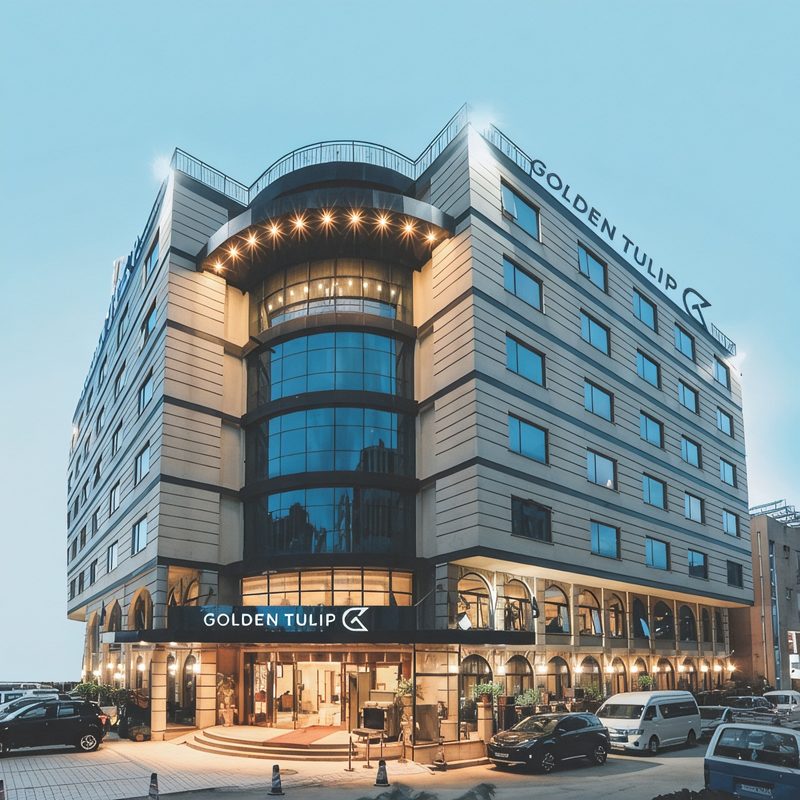
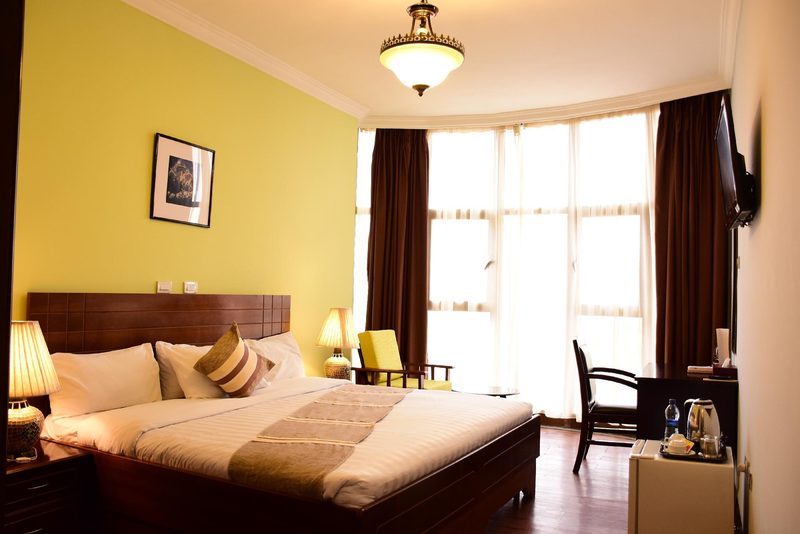
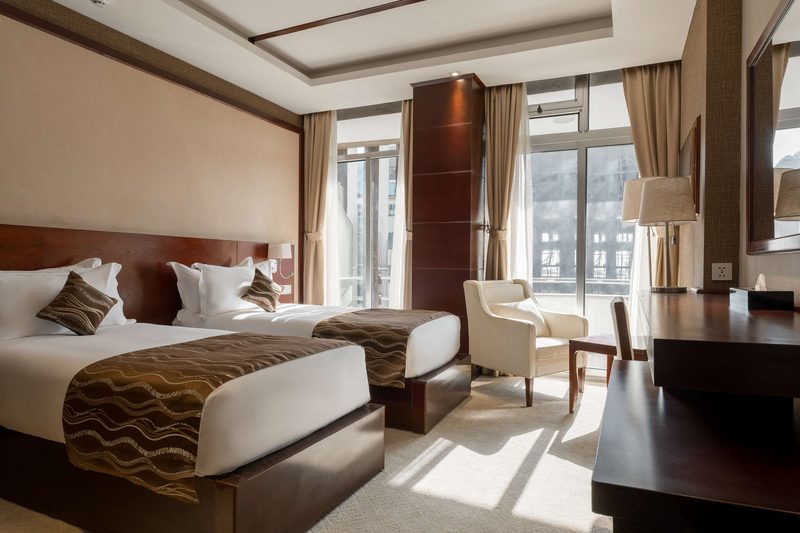
Where to Stay in Addis Ababa in December

Hand-picked hotels across price tiers for December travellers.
December Events & Festivals

What's happening during your visit

Throughout December (part of 43-day fast ending January 6)
Tsome Genna (Advent Fasting Season)

The forty-three-day Orthodox Christian fast before Genna (Ethiopian Christmas, January 7) runs through the entirety of December, and its effect on the city is immediate and edible. Orthodox Ethiopians abstain from all animal products during this period, which means every traditional restaurant expands its fasting menu dramatically. The beyaynetu, a fasting platter of six to ten vegetable and legume dishes arranged on a single round of injera, becomes the default meal across the city, and the quality and variety surpass what most restaurants offer during non-fasting months. Churches hold extended prayer services, on Wednesdays and Fridays, and the sound of the kebero drums and liturgical chanting carries from neighborhood churches in the early morning darkness. For visitors, the fasting season is an unexpected windfall: the food is extraordinary, the spiritual atmosphere in the churches is heightened, and the cultural experience deepens considerably. Ask your guide or hotel to arrange a visit to a neighborhood church service. The older quarters around Piazza or Arat Kilo work best. Congregations are smaller there. The welcome is warmer.

Mid to late December
Pre-Genna Church Choir Rehearsals and Processions

As December progresses, church deacons and choirs across Addis Ababa intensify their rehearsals for the Genna celebration. At larger churches like Bole Medhane Alem, one of the biggest in Africa, and Kidist Selassie Cathedral, these rehearsals spill outdoors in the late afternoons, with drummers, sistra players, and chanters in white shammas practicing the elaborate liturgical dances that will mark the overnight service on Genna eve. The rhythmic clapping and call-and-response patterns are hypnotic even from outside the church compound, and the rehearsals, unlike the formal Genna service itself, are relaxed enough that respectful visitors are welcome to watch from the periphery. The intensity builds noticeably in the final ten days of December.

Packing Checklist

Bookmark this page — your progress is saved between visits

Need the full list with shopping links?

Climate-specific gear, brand recommendations, and what to leave at home.

View Addis Ababa Packing List →

Essential Tips

Insider knowledge and common pitfalls to avoid

Insider Knowledge
The altitude adjustment is not optional, and the locals know it. Spend your first day below 2,500 m (8,202 ft), which means staying in the city center rather than heading straight up to Entoto. Drink water obsessively, skip alcohol for the first evening, and eat lightly. Ethiopians will tell you to drink hot water with lemon and honey, and whether it is the remedy or the rest that follows it, the advice tends to work. By day two, most people feel noticeably better. Ethiopian time runs on a twelve-hour clock starting at dawn (6 AM Gregorian = 12 o'clock Ethiopian, noon = 6 o'clock Ethiopian). When an Addis Ababa local says 'meet at two,' they likely mean 8 AM by your watch. Confirm every appointment in both systems or you will miss half your plans. Guides and hotels generally default to Gregorian time with tourists. But taxi drivers, market vendors, and church schedules often do not. The minibus network is how Addis Ababa moves, and it is surprisingly usable once you learn the system. Each route is called by its destination: shout 'Bole' or 'Piazza' or 'Megenagna' at the door and the weyala (conductor) waves you on or off. December's dry roads make the system more reliable than the rainy season. The minibuses are crowded but fast, and the fare is a fraction of what a taxi costs. Sit near the door if you are unsure of your stop. The best coffee in Addis Ababa is not in the tourist-facing ceremony venues but in the tiny neighborhood kiosks where office workers stand elbow-to-elbow at 7 AM, knocking back macchiatos. These places, usually just a counter and an espresso machine in someone's front room, serve single-origin beans from Yirgacheffe or Sidamo regions that would cost four times as much in any Western specialty roaster. Look for the places with the longest morning queues and the smallest seating: that is the signal.
Avoid These Mistakes
Treating Addis Ababa as a layover rather than a destination. Most travelers use the city as a transit point to Lalibela, the Simien Mountains, or the Omo Valley, and give it one night at most. This is backwards. Addis Ababa needs a minimum of three full days to even begin understanding its layers: the museums, the markets, the food, the coffee culture, the church architecture. Rushing through it means missing the one Ethiopian city where all the country's regional cultures collide and recombine into something you cannot find anywhere else. Packing for the tropics and freezing after dark. Ethiopia sits on the equator, and the instinct is to pack for heat. At 2,355 m (7,726 ft), Addis Ababa's December nights drop to 7°C (45°F), and the open-air restaurants and rooftop bars that seem like brilliant ideas at lunch become endurance tests by 9 PM without a jacket. Every December, clusters of shivering tourists in shorts sit next to warmly bundled locals who saw this coming. Photographing people without asking, at Merkato and in church compounds. Ethiopians are generally warm and hospitable. But the camera-first approach that works in some tourist destinations creates real friction here. At Merkato in particular, vendors who deal in goods of ambiguous origin do not want to be photographed, and the response can be sharp. At churches, photography of the interior and the tabot (sacred replica of the Ark) is forbidden in most cases. Ask first, always, and accept a no gracefully. A smile and a few words in Amharic go further than any lens.
Explore More Activities in Addis Ababa

Didn't see anything interesting yet?

Browse Viator's full catalog of tours, day trips, food experiences, and private guides in Addis Ababa.

See All Addis Ababa Tours on Viator