Things to Do in Addis Ababa in May
May weather, activities, events & insider tips
Shoulder Season · Good Value
May Weather in Addis Ababa
Long-run averages for May
77°F (25°C)
High Temp
53°F (12°C)
Low Temp
3.0 inches (76 mm)
Rainfall
63%
Humidity
13
Sunny-Day UV
⚠ Sudden, heavy afternoon rain showers can trigger localized flash flooding in lower-lying streets and render unpaved roads slippery. Always have a rain plan for afternoons.
Is May Right for You?
Weigh the advantages and considerations before booking
Advantages
- + May lands in the sweet spot before the heavy summer rains arrive in June, giving you clear mornings and crisp, sunny afternoons that are good for exploring the city on foot without the oppressive humidity that comes later.
- + The highland air in May is some of the clearest of the year, offering unobstructed, postcard-perfect views from spots like Entoto Hill, where you can see the entire city sprawl across the plateau, framed by distant mountain ranges.
- + This is the month when the city's social life fully migrates outdoors. The terraces of cafes in the Bole and Kazanchis districts buzz until late, and the scent of roasting coffee beans and frankincense from sidewalk vendors hangs heavier in the cool evening air.
- + With the rainy season still weeks away, the roads to day-trip destinations like the Debre Libanos monastery or the Sululta plains are reliably passable, opening up the surrounding highlands for exploration without the mud and washouts that can complicate travel later.
Considerations
- − The 'small rains' (belg) are a daily feature, typically arriving in the mid-to-late afternoon with a sudden, dramatic downpour that can last an hour, turning unpaved side streets into mud and sending everyone scrambling for cover.
- − The significant temperature swing between day and night - a 25°F (14°C) drop - catches many visitors off guard. The same lightweight clothes that were good for a 77°F (25°C) afternoon walk will leave you shivering by 8 PM.
- − May is a popular month for international conferences and diplomatic events, which can mean last-minute scarcity and higher rates for mid-range and business-class hotels in the Bole area, often booked solid weeks in advance.
Best Activities in May
Top things to do during your visit
Addis Ababa in May occupies a distinct pause between seasons. The heavy rains that drench the highlands from June to September have not yet arrived, and the drier, dustier months have passed. With average highs around 77 degrees Fahrenheit, the air in Addis Ababa feels clear and mild, carrying the scent of eucalyptus from the city's hillsides and the distant, earthy smell of roasting coffee. This is a month of transition. Mornings are often bright. Afternoons can bring brief, refreshing showers that leave the red soil damp. Locals move through their days with an awareness of the coming *kiremt*, or rainy season, making the most of the reliable daylight for errands and socializing in open-air cafes. For a visitor, May in Addis Ababa has a chance to explore the large capital on foot under manageable skies, hearing the call to prayer echo against modern towers and crumbling Italianate facades alike, before the cloudier, wetter weather sets in. The rhythm of the city in May is shaped by this weather window. You'll see families strolling through the gates of the National Museum on sunny afternoons and feel the cool breeze that sweeps down from the Entoto Hills. Evenings are often spent indoors, tasting the complex, fermented notes of *injera* served with spicy *wat* stews in warmly lit restaurants, as the temperature can dip to around 53 degrees after sunset. While no major festivals are anchored to the month, the pace in Addis Ababa feels purposeful, with daily life unfolding in markets, university campuses, and the countless small coffee ceremonies where you'll hear the steady hiss of water boiling for *bunna*. It is a practical and atmospheric time for discovery, where one can plan full-day excursions without the significant travel disruptions that the peak rains can bring to rural roads.

Hidden Treasures of Addis Ababa - Food, Culture and History Tour
guided_experienceYou'll taste the smoky, charcoal-grilled *kitfo* from a butcher's stall, smell the sharp aroma of fresh *berbere* spice blends in a market, and feel the soft, spongy texture of *injera* straight from the *mitad*. The tour connects food directly to the city's social history, from traditional *tej* honey wine bars to the influence of the Italian occupation on pastry shops.
It transforms eating from a passive act into a direct encounter with the generations-old techniques and community spaces that define daily life in Addis Ababa.
Insider tip: Come very hungry, as the progression of samples amounts to a full meal, and wear comfortable shoes for navigating uneven sidewalks and stepped alleyways.

Addis Ababa City Highlights: Private Guided Tour Free pick up
private_tourYou'll see the gleaming chrome of the Lion of Judah monument, hear the echoing chants from within the rock-hewn Entoto Maryam Church, and feel the climate shift as you ascend to the eucalyptus-covered Entoto Hills for a panoramic view. This tour efficiently covers the vast distances between key sites that are difficult to manage on foot.
It provides a foundational understanding of the city's layout and its symbolic landmarks, good for first-time visitors with limited days.
Insider tip: Request your guide to include a stop at the Shiro Meda textile market for a tactile experience of weaving looms and the feel of handspun cotton fabrics.

Addis Ababa City Tours Full Day With Hotel Pickup And Drop Off.
day_tripIt typically includes the fossilized hominid bones at the National Museum, the stained-glass windows and solemn mood of the Holy Trinity Cathedral, and the overwhelming sensory rush of the Mercato, where you'll hear the clamor of metalworkers and smell spices stacked in burlap sacks. The full-day schedule allows for deeper context at each stop.
For travelers who prefer a single, all-inclusive itinerary that moves beyond postcard views to engage with the narratives of evolution, faith, and commerce that built Addis Ababa.
Insider tip: Confirm if the tour includes entrance fees to museums and churches, as these are sometimes an additional cost paid on-site.

Discover Addis Ababa:Museums,Churche,Markets,Landmarks & Coffee
culturalYou'll see the haunting skeletal remains of Lucy, hear the detailed history of imperial regalia at the Ethnological Museum, feel the cool, polished floors of centuries-old churches, and finally, participate in a coffee ceremony, tasting the potent, small-cup *bunna* amid the fragrant smell of roasting beans and incense.
It expertly balances the academic weight of museums with the living, daily tradition of coffee, which is the social heartbeat of Addis Ababa.
Insider tip: At the museums, ask your guide to point out specific items like the coronation robes of Emperor Haile Selassie or the traditional *mesob* baskets, which have rich stories behind them.

Danakil Depression, Lalibela, Omo Valley and Simien Mountains
otherIncluding the sulfurous springs and salt flats of the Danakil Depression, the rock-hewn churches of Lalibela, the cultural encounters of the Omo Valley, and the simien peaks. It requires internal flights and rugged overland travel.
It is a profound journey through geological wonders and ancient living cultures that are unlike anything else on the continent.
Insider tip: This tour requires significant advance planning and checking visa requirements for the Danakil region. Most operators handle permits. But confirm this explicitly.
This month: May falls within the window for visiting the Danakil Depression before the extreme summer heat intensifies, and road access to the Simien Mountains is generally stable before the peak rains.

Omo Valley Tours
guided_experienceYou'll see the elaborate body paint and clay hairstyles of the Hamar people, hear the rhythmic chanting and jumping of bull-leaping ceremonies, feel the dry, dusty heat of the lowland air, and taste simple, staple foods like sorghum bread prepared in village compounds.
It has a focused, respectful engagement with the varied ethnic groups of the Omo Valley, emphasizing cultural exchange over mere observation.
Insider tip: Pack small, useful gifts like pencils or notebooks for schoolchildren. But always follow your guide's protocol on appropriate interaction and photography customs.
This month: May is one of the last months to comfortably visit the Omo Valley before the rainy season can make some remote village roads difficult to pass in June.
Where to Stay in Addis Ababa in May
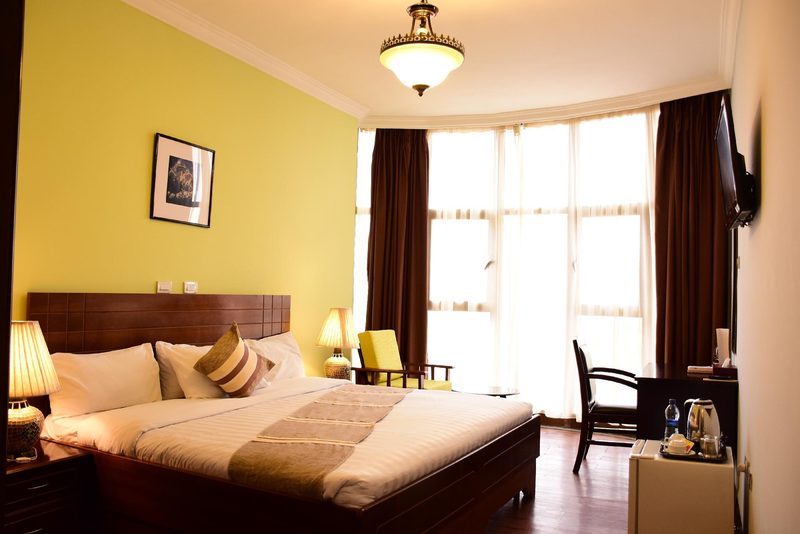
Hand-picked hotels across price tiers for May travellers.


Public Holidays in May
Dates that affect opening hours, transport and crowds
ዓለም አቀፍ የሠራተኞች ቀን
Known in English as International Workers' Day. Observed nationwide as a public holiday.
ብርሃነ-ትንሣኤ/ፋሲካ
Known in English as Easter Sunday. Observed nationwide as a public holiday.
የአርበኞች ቀን
Known in English as Ethiopian Patriots' Victory Day. Observed nationwide as a public holiday.
ደርግ የወደቀበት ቀን
Known in English as Downfall of the Derg. Observed nationwide as a public holiday.
ዓለም አቀፍ የሠራተኞች ቀን
Known in English as International Workers' Day. Observed nationwide as a public holiday.
የአርበኞች ቀን
Known in English as Ethiopian Patriots' Victory Day. Observed nationwide as a public holiday.
ደርግ የወደቀበት ቀን
Known in English as Downfall of the Derg. Observed nationwide as a public holiday.
Packing Checklist
Bookmark this page — your progress is saved between visits
Need the full list with shopping links?
Climate-specific gear, brand recommendations, and what to leave at home.
View Addis Ababa Packing List →Essential Tips
Insider knowledge and common pitfalls to avoid
Insider Knowledge
Locals call the late-afternoon rain 'the small monsoon.' Treat it as your signal to find a cafe with a covered terrace. Watching storms roll over the city with a macchiato or glass of tej (honey wine) is a cherished ritual.
The best injera in Addis Ababa in May often comes from households using the last of the previous year's teff harvest. Ask a guide or trusted local where they buy injera. Taste this seasonal specificity.
For crowd-free views, skip the popular Entoto Hill summit viewpoint mid-day. Go just before sunset instead. Afternoon rain usually clears by then. The air feels washed clean. City lights begin twinkling as the sky turns violet.
If your hotel sits in the Bole area, skip hailed taxis during late afternoon rain. Ride-hailing apps like RIDE or Feres prove far more reliable. No price negotiation in a downpour.
Avoid These Mistakes
Never underestimate nighttime cold. Showing up for dinner in daytime attire is a mistake. Even nice restaurants feel chilly after sunset. Locals bundle up. You should too.
Avoid tight afternoon schedules. A 3 PM museum visit can collapse when sudden, heavy rain makes catching taxis or walking distances impractical for an hour.
Remember: many museums and institutions close for long lunch breaks, often 12 PM to 1:30 PM or even 2 PM. Confirm opening hours the day before. Locked gates ruin plans.
Ready to plan your trip to Addis Ababa?
Now that you've got the research covered, here's where to go next.
Explore More Activities in Addis Ababa
Didn't see anything interesting yet?
Browse Viator's full catalog of tours, day trips, food experiences, and private guides in Addis Ababa.
See All Addis Ababa Tours on Viator